
Sahara Desert Fossils: Where to Find Fossils in Morocco
The Sahara Desert may look like a landscape of endless sand dunes, but beneath Morocco’s rocky plateaus and desert plains lies a very different world: one shaped by ancient seas, prehistoric animals, and millions of years of geological change.
Sahara Desert fossils are among the most fascinating discoveries for travelers exploring Morocco. In parts of southeastern Morocco, fossil-rich rocks contain the remains and traces of marine life that lived when much of the region was covered by an ancient sea. Other areas are famous for trilobites, ammonites, orthoceras, and dinosaur-related discoveries.
This makes Morocco more than a destination for desert landscapes. It is also one of the world’s best-known places for commercially collected fossils and geological specimens.
So, where can you find fossils in Morocco? What fossils have been discovered in the Moroccan Sahara? Can travelers see fossil sites themselves? And can you take fossils home? This guide explains what you need to know before adding fossils to your Morocco itinerary.
Why Are There So Many Fossils in the Sahara Desert?
The presence of fossils in the Sahara may seem surprising. Today, much of southeastern Morocco is characterized by dry valleys, rocky plateaus, mountains, and desert landscapes. But millions of years ago, the region experienced dramatically different environments.
Large parts of what is now Morocco were periodically covered by ancient seas. Marine organisms lived in these waters, died, and became buried in sediments. Over geological time, those sediments hardened into rock, while tectonic movements and erosion eventually exposed fossil-bearing layers at the surface.
That geological history helps explain why travelers can find marine fossils far from any modern ocean.
Morocco is particularly famous for fossil-rich Paleozoic rocks, including areas around the southeastern city of Erfoud, where fossils have become an important part of the local economy and tourism industry.
The result is a fascinating contrast: some of Morocco’s most famous fossil locations are now surrounded by landscapes that look almost completely barren.
Where Can You Find Fossils in Morocco?
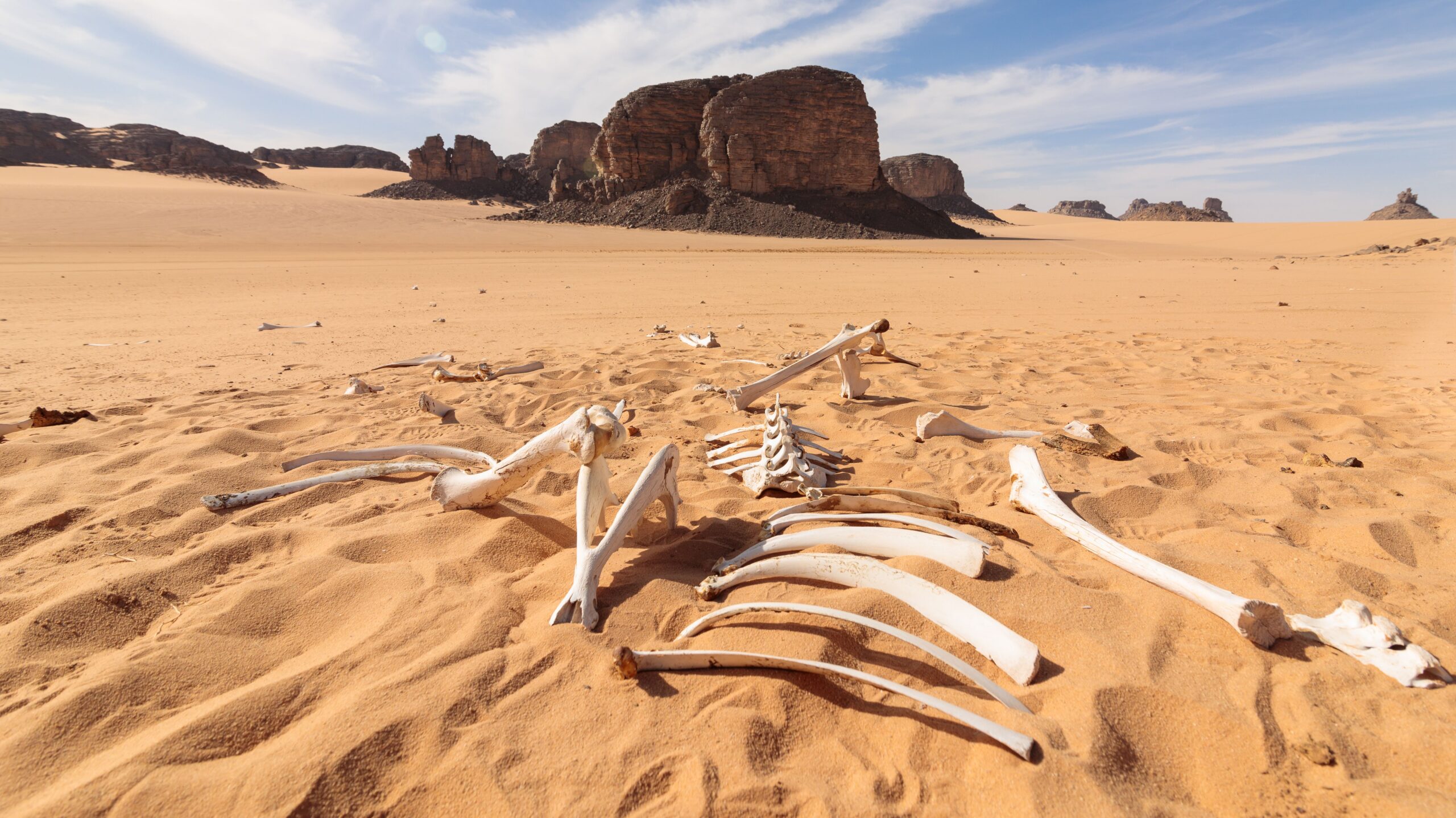
Fossils can be found in several parts of Morocco, but southeastern Morocco is especially famous for fossil deposits and fossil-related tourism.
The most important areas for travelers include:
- Erfoud
- Rissani and the surrounding Tafilalt region
- Merzouga and the Sahara Desert region
- Kem Kem Basin
- Zagora and parts of the Drâa Valley
- Other fossil-rich areas of southeastern Morocco
Each location has a different geological story, and not every fossil site is equally accessible to visitors.
For most travelers, Erfoud is the easiest place to experience Morocco’s fossil industry. The town has numerous fossil workshops and stores where visitors can see fossils being cut, polished, shaped, and incorporated into decorative objects.
Erfoud: Morocco’s Fossil Capital
If fossils are one of the reasons you are interested in the Moroccan Sahara, Erfoud is the place to know.
Located in the Tafilalt region of southeastern Morocco, Erfoud is widely associated with fossil collecting and processing. The surrounding region contains extensive fossil-bearing geological formations, and the town has developed a major industry around collecting, preparing, and selling fossil specimens.
Walking into a fossil workshop in Erfoud can feel like stepping into a natural-history museum combined with an artisan workshop.
Large slabs of fossil-bearing rock may be displayed alongside polished tables, decorative objects, ammonites, trilobites, and other geological specimens. Workers may demonstrate how rough stone is cut and polished to reveal patterns hidden inside the rock.
For travelers visiting the Sahara, Erfoud is therefore much more than a place to pass through on the way to Merzouga.
It offers an opportunity to see how geological material from the surrounding region becomes part of Morocco’s traditional craft industry.
What Fossils Can You Find in Morocco?
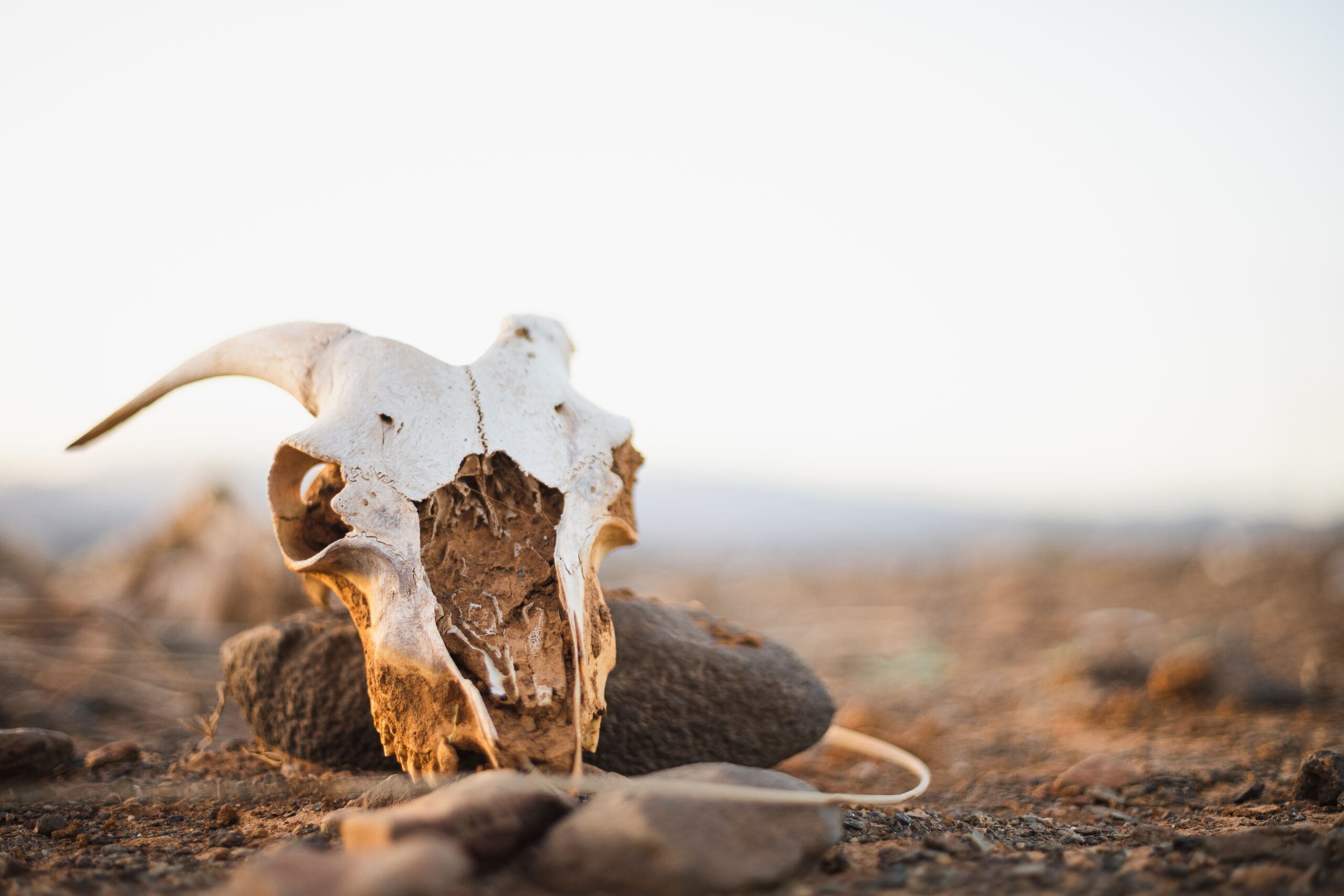
Morocco is famous for a wide variety of fossils. The exact specimens available depend on the region and geological formation, but several types are particularly associated with Moroccan fossil markets and collections.
Trilobites
Trilobites are among the most recognizable Moroccan fossils.
These extinct marine arthropods lived for hundreds of millions of years before disappearing during the Permian–Triassic mass extinction. Their distinctive segmented bodies make well-preserved specimens particularly interesting to collectors.
Morocco is internationally known for its trilobite fossils, and specimens from the country can be found in museums, scientific collections, and fossil markets around the world.
For travelers, trilobites are often one of the easiest fossil types to encounter in Moroccan fossil shops.
Orthoceras
Another common Moroccan fossil is orthoceras, the fossilized remains of an extinct marine cephalopod.
Orthoceras fossils are often found in dark limestone and are frequently polished into slabs. Their long, straight shells create striking black-and-white patterns, making them popular for decorative stone products.
You may see orthoceras used to create:
- Tabletops
- Sinks
- Tiles
- Decorative plates
- Bookends
- Sculptures
- Polished fossil slabs
Although the commercial name “orthoceras” is widely used in Moroccan fossil markets, many specimens sold under this label represent extinct nautiloid cephalopods more broadly.
Ammonites
Ammonites are another famous fossil group found in Morocco.
Their spiral shells make them immediately recognizable, and beautifully preserved specimens can display intricate patterns and chambers.
Ammonites lived in marine environments for hundreds of millions of years before becoming extinct at the end of the Cretaceous Period.
Moroccan ammonites vary considerably in size and appearance, and polished specimens are commonly sold as souvenirs and collector pieces.
Crinoids
Moroccan fossil deposits also contain crinoid remains, particularly fossilized pieces of their stems.
Crinoids are marine animals related to modern starfish and sea urchins. Their fossil fragments can form distinctive patterns within limestone and other sedimentary rocks.
In some polished Moroccan stones, you can see hundreds of fossil fragments preserved together, creating a natural pattern that looks almost artistic.
Dinosaur Fossils
Morocco is also associated with important dinosaur discoveries, particularly in southeastern regions.
The Kem Kem Basin in southeastern Morocco is internationally known for Late Cretaceous vertebrate fossils. Fossils from this region have contributed to scientific research into the prehistoric ecosystems that existed in what is now the Sahara.
Among the animals represented in the Kem Kem fossil record are large predatory dinosaurs and other vertebrates.
This is one reason Morocco frequently appears in discussions about prehistoric life and dinosaur fossils.
However, it is important to distinguish between scientific fossil sites and the commercial fossil market. A fossil shop in Erfoud is not the same thing as an archaeological or paleontological excavation site.
The Kem Kem Basin and Morocco’s Dinosaur Fossils
The Kem Kem Basin is one of the most scientifically significant fossil regions in Morocco.
Located in southeastern Morocco near the borders of the modern Sahara region, the Kem Kem beds preserve fossils dating to the Late Cretaceous, roughly 100 million years ago.
During that period, the environment was very different from today’s desert.
Instead of vast expanses of sand and rocky desert, the region contained river systems and aquatic environments supporting a diverse ecosystem.
Fossils discovered in the Kem Kem deposits include large predatory dinosaurs, crocodile relatives, pterosaurs, fish, and other vertebrates.
Among the dinosaurs associated with the region is Carcharodontosaurus, a giant theropod that was among the largest meat-eating dinosaurs known from Africa.
Another famous dinosaur associated with Morocco is Spinosaurus, the enormous sail-backed predator known from North Africa.
These discoveries have helped scientists reconstruct a prehistoric ecosystem that existed in what is now one of the world’s most arid regions.
Were Dinosaurs Really Living in the Sahara?
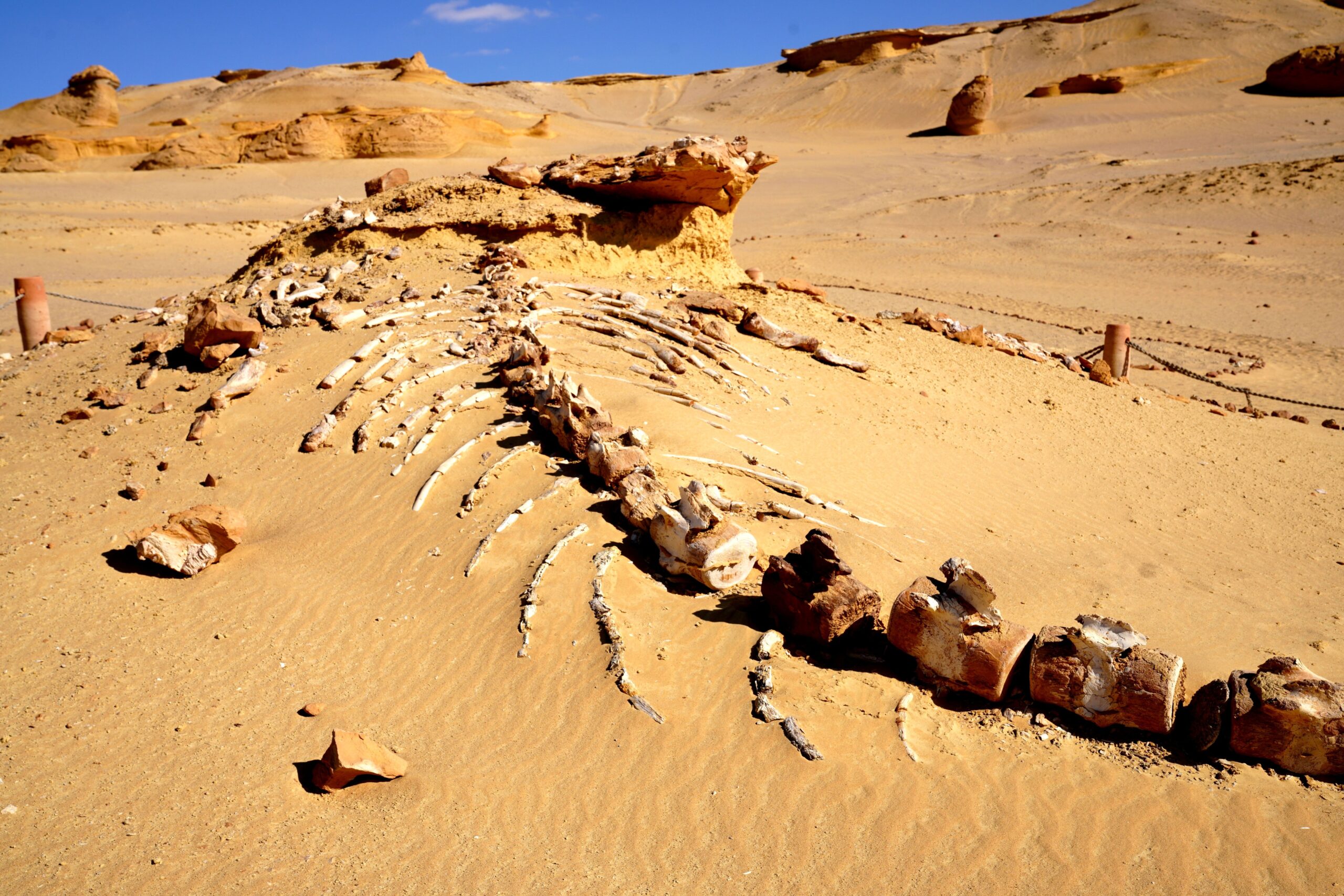
Yes — but the landscape looked nothing like the Sahara you see today.
During the Cretaceous Period, parts of present-day southeastern Morocco contained rivers, wetlands, and other aquatic environments.
That ancient environment supported a remarkable collection of animals, including large predatory dinosaurs and enormous fish.
Over millions of years, geological and climatic changes transformed the region. Sediments accumulated, rocks formed, tectonic forces altered the landscape, and erosion eventually exposed fossil-bearing layers.
The modern Sahara is therefore only the latest chapter in a much longer geological story.
When you look at a fossil from southeastern Morocco, you are not simply looking at a rock. You are looking at evidence of an environment that existed tens of millions of years before the modern desert.
Where to See Fossils Near the Sahara Desert
For travelers, the easiest way to experience Morocco’s fossil heritage is not necessarily to search for fossils independently in the desert.
Instead, consider visiting places where fossils are legally collected, prepared, displayed, and sold.
Erfoud Fossil Workshops
Fossil workshops around Erfoud are among the most accessible options.
A typical visit may allow you to see rough fossil-bearing stone before it is cut and polished. You can then see how the same material is transformed into decorative objects.
This gives visitors a better understanding of the relationship between Morocco’s geology and its traditional stoneworking industry.
Fossil Markets Around Rissani
The Rissani area is also connected to the fossil trade of the Tafilalt region.
Rissani is historically important as a gateway to the desert and the wider Tafilalt oasis region. If you are traveling between Erfoud and Merzouga, combining a fossil stop with your desert journey can be an efficient way to experience both geological and cultural attractions.
Museums and Scientific Collections
Museums and university collections can provide another way to learn about Moroccan fossils.
For travelers primarily interested in the scientific side of paleontology, these collections can be more informative than commercial fossil shops because specimens are presented in a broader geological and evolutionary context.
Can You Find Fossils in the Sahara Yourself?
Technically, fossils occur naturally in exposed rocks across parts of southeastern Morocco. But that does not mean travelers should simply go into the desert and start collecting whatever they find.
Fossil collecting can involve land ownership, local regulations, protected sites, export rules, and scientific considerations.
Some fossil-bearing areas are commercially exploited, while others have scientific importance. Removing specimens without permission can damage geological sites and may be illegal depending on the location and circumstances.
If you are interested in fossil hunting, the safest approach is to work with a reputable local guide or visit an established fossil workshop.
This also gives you a much better chance of understanding what you are looking at.
Can You Buy Fossils in Morocco?
Yes. Fossils are widely sold in parts of Morocco, particularly in southeastern towns such as Erfoud.
You can find everything from small specimens suitable for travelers to large polished slabs and elaborate furniture pieces.
Prices vary enormously depending on the fossil, size, quality, preservation, preparation, and provenance.
If you are buying a fossil, do not be afraid to ask questions.
A reputable seller should be able to explain what the specimen is, where it comes from, and whether it has been treated, repaired, reconstructed, or restored.
This is particularly important when buying expensive specimens.
Are Moroccan Fossils Real?
Many fossils sold in Morocco are genuine, but buyers should still be careful.
The commercial fossil market includes natural specimens, prepared specimens, repaired specimens, composites, replicas, and decorative pieces. Some products may contain reconstructed sections or have been filled or restored to improve their appearance.
This does not automatically make them worthless. Preparation and restoration are common practices in the fossil trade.
The important point is to know what you are buying.
If you are purchasing a significant or expensive specimen, ask specifically whether it is:
- Completely natural
- Repaired
- Restored
- Reconstructed
- A composite
- A replica
For inexpensive souvenirs, the situation is generally less complicated. For collectors spending significant amounts, provenance and documentation become much more important.
How Much Do Fossils Cost in Morocco?
There is no single price for Moroccan fossils.
A small common specimen may cost relatively little, while a large, exceptionally preserved, scientifically important, or beautifully prepared specimen can cost considerably more.
The price depends on several factors:
- Type of fossil
- Size
- Quality of preservation
- Completeness
- Preparation
- Rarity
- Age
- Scientific importance
- Whether it has been restored
- Provenance
Large polished slabs can also be significantly more expensive because they require substantial cutting, polishing, and transport.
If you are shopping for fossils in Morocco, compare several sellers before making an expensive purchase.
How to Buy Fossils Responsibly
Buying a fossil can be a memorable souvenir from a Morocco trip, but responsible purchasing matters.
First, ask where the specimen came from. A seller who can clearly explain its origin is generally preferable to someone who gives vague answers.
Second, ask whether it has been repaired or restored. Some specimens look remarkably complete because missing sections have been reconstructed.
Third, consider the size carefully.
A huge fossil slab may look impressive in a shop but become a serious logistical problem once you have to transport it home.
For most travelers, a smaller specimen is easier to pack, ship, and declare.
Best Morocco Itinerary for Fossil Lovers
If fossils are a major interest, consider building them into a southern Morocco itinerary rather than making a separate trip solely for fossil hunting.
A classic route could include:
Marrakech → Aït Ben Haddou → Ouarzazate → Dadès Gorge → Todra Gorge → Erfoud → Rissani → Merzouga
This route combines some of southern Morocco’s most famous landscapes with opportunities to discover the country’s fossil heritage.
You could explore the dramatic roads and rock formations of Dadès Gorge, visit the narrow canyon at Todra Gorge, stop in Erfoud for fossils, and then continue toward the Sahara dunes around Merzouga.
For travelers interested in both natural history and desert landscapes, this is one of the most rewarding ways to experience southeastern Morocco.
Best Time to Explore Morocco’s Fossil Region
The best time to combine fossil experiences with a Sahara trip is generally during the cooler seasons.
Spring and autumn offer comfortable conditions for road trips, sightseeing, and desert excursions.
Winter can also be pleasant during the daytime, although nights in the desert and southeastern Morocco can become cold.
Summer can be extremely hot, particularly around the Sahara, so travelers visiting during this period should plan outdoor activities for the morning or late afternoon and stay well hydrated.
Because fossil workshops and stores are not dependent on desert weather in the same way as outdoor activities, you can visit them throughout the year. The bigger consideration is the overall climate of your Morocco itinerary.
Frequently Asked Questions About Sahara Desert Fossils
Where can I find fossils in the Moroccan Sahara?
Some of Morocco’s best-known fossil regions are in the southeast, particularly around Erfoud, Rissani, and the wider Tafilalt region. The Kem Kem Basin is also internationally important for Late Cretaceous vertebrate fossils.
What fossils are found in Morocco?
Morocco is known for trilobites, ammonites, orthoceras and other marine fossils, crinoid remains, and important dinosaur and vertebrate fossils. The exact types depend on the geological formation and region.
Where can I buy fossils in Morocco?
Erfoud is one of the best-known places to buy Moroccan fossils. The town has numerous workshops and stores where fossils are prepared, polished, and sold as specimens or decorative objects.
Are the fossils sold in Morocco real?
Many are genuine, but fossil markets can include natural, repaired, restored, reconstructed, composite, and replica specimens. If authenticity matters to you, ask the seller about the specimen’s condition and provenance before purchasing.
Can tourists collect fossils in the Sahara Desert?
You should not assume that you can freely collect fossils wherever you travel. Access, land ownership, local regulations, protected areas, and export laws can apply. If you want to collect or purchase fossils, use established local operators and verify the relevant rules.
Explore Morocco’s Sahara & Its Ancient Fossil Heritage
Ready to discover the Sahara beyond the dunes? Explore Erfoud, Rissani, and Merzouga on a private Morocco desert tour and experience the landscapes, culture, and ancient geological history of southeastern Morocco.
Final Thoughts: Discover the Ancient Sahara Beneath the Sand
The Sahara Desert fossils of Morocco tell a story that stretches far beyond the modern desert.
Long before camel caravans crossed the dunes and travelers arrived to watch the sunset over Merzouga, this part of North Africa was home to ancient seas, rivers, marine animals, dinosaurs, and ecosystems completely different from those we see today.
That geological history is still visible in the rocks of southeastern Morocco.
A visit to Erfoud, a fossil workshop, or the wider Tafilalt region can therefore add an unexpected dimension to a Sahara journey. Instead of seeing the desert only as a landscape of sand and dunes, you begin to see it as a geological archive containing clues about millions of years of Earth’s history.
If your Morocco itinerary already includes the Sahara, consider adding a fossil experience along the way. It is one of the most unusual ways to discover the ancient history hidden beneath Morocco’s desert landscapes.